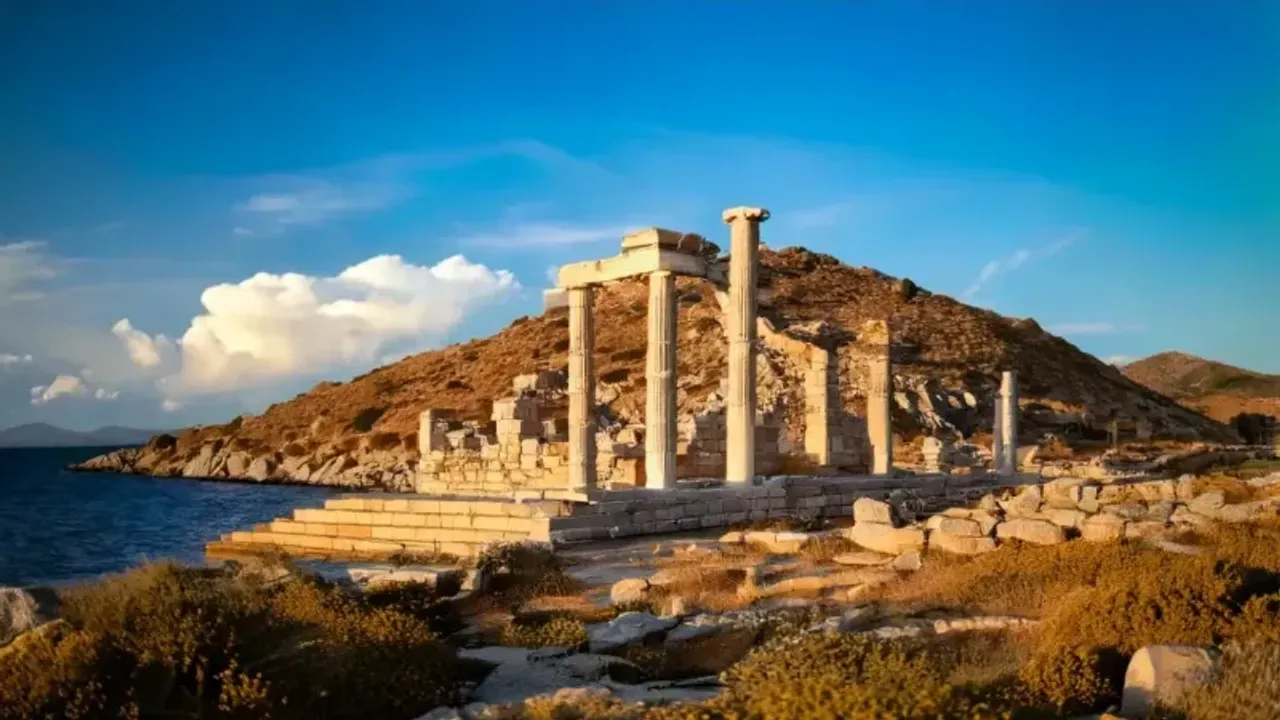
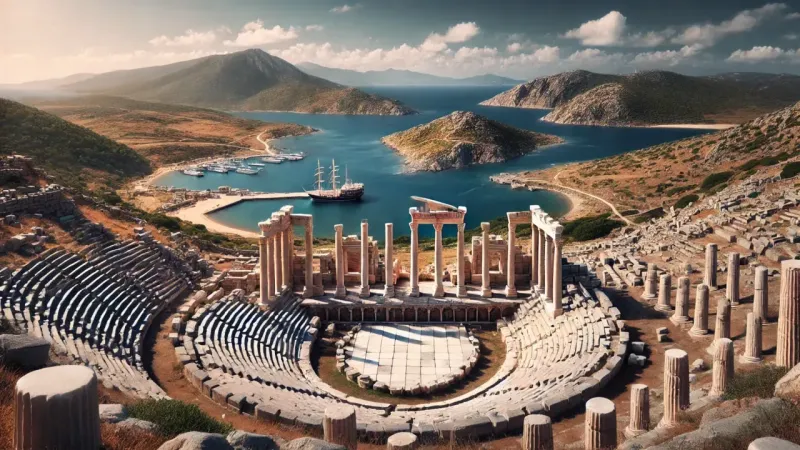
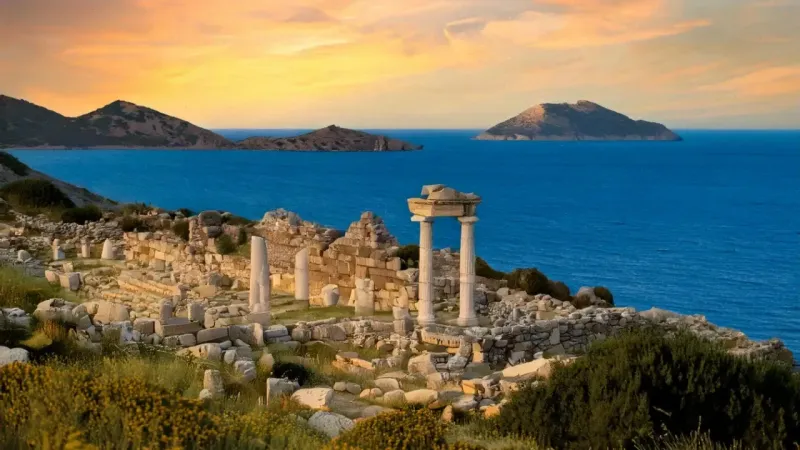
Nestled on the stunning Datça Peninsula in southwestern Turkey, Knidos Ancient City is a mesmerizing historical site that once stood as a major maritime hub. Renowned for its rich cultural heritage and legendary architecture, Knidos continues to captivate visitors with its breathtaking ruins and fascinating history.

A City Designed with Precision
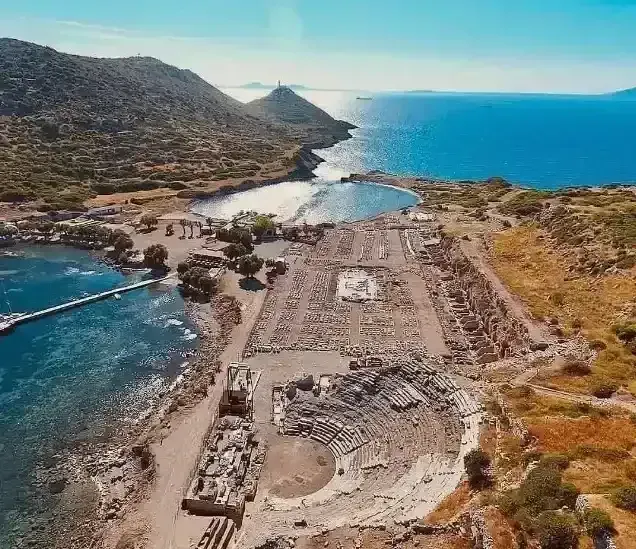
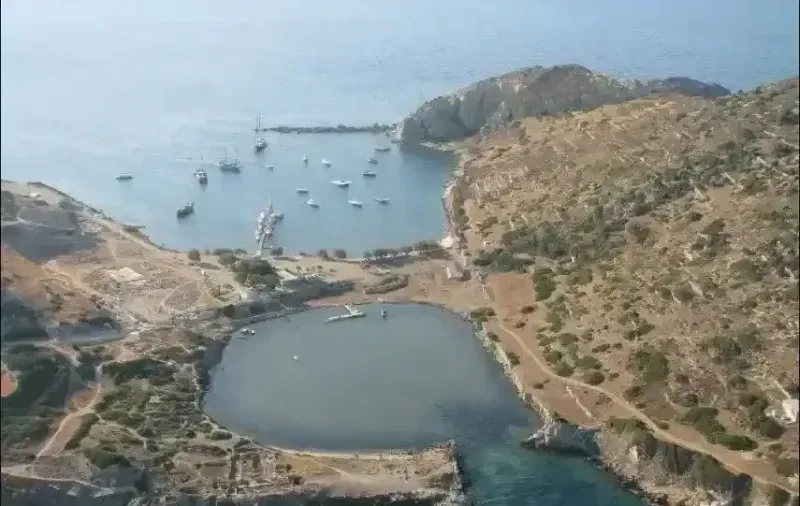
Knidos is famed for its unique urban planning. The city, built both on the mainland and an adjacent island, follows a distinctive grid layout, with streets intersecting at right angles. This meticulous design reflects the architectural brilliance of its time and adds to the allure of this ancient settlement.
Muğla is home to many remarkable ancient sites, but Knidos stands out with its strategic location, rich history, and cultural significance. A visit to this site is like stepping into a time machine, offering history enthusiasts, art lovers, and architecture admirers an unforgettable journey into the past.
The History of Knidos
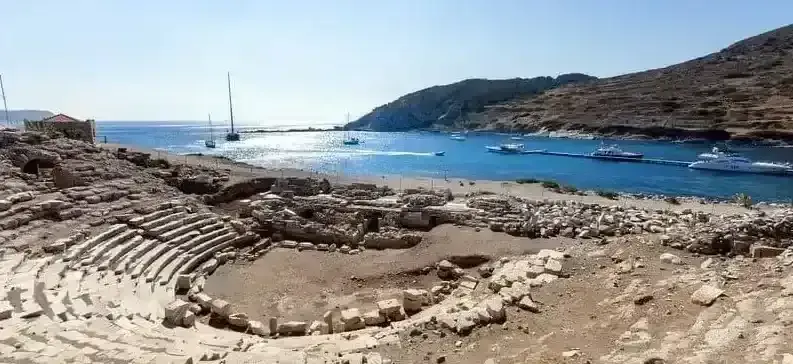
Founded in the 4th century BC, Knidos was one of the most significant cities of the Caria region. Its strategic location at the crossroads of the Aegean and Mediterranean trade routes made it a vital center for commerce and culture. Over the centuries, the city flourished under the influence of various civilizations, leaving behind a legacy of architectural and artistic masterpieces.
A Hub of Art and Architecture
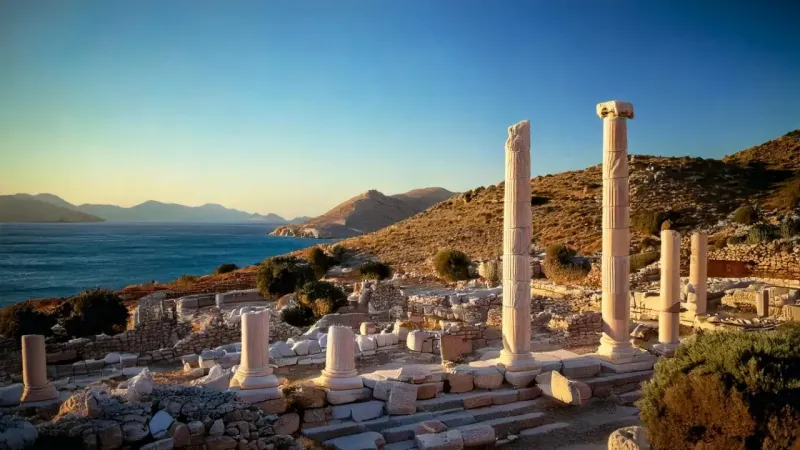
Knidos was particularly famous for its contributions to sculpture and architecture. The most iconic masterpiece linked to the city is the Statue of Aphrodite, sculpted by the renowned Greek artist Praxiteles. This masterpiece, celebrated for its unprecedented realism and beauty, became one of the most admired sculptures of the ancient world. Knidos also boasts impressive Hellenistic and Roman architectural elements, further highlighting its cultural importance.
A Center of Knowledge and Medicine
Beyond art and trade, Knidos was an esteemed center of science and medicine. The city housed an advanced medical school, where prominent physicians of the ancient world conducted groundbreaking research in healthcare. The contributions of Knidos’ doctors played a crucial role in shaping early medical practices, making it one of the most respected intellectual hubs of its time.
Natural Beauty Surrounding Knidos
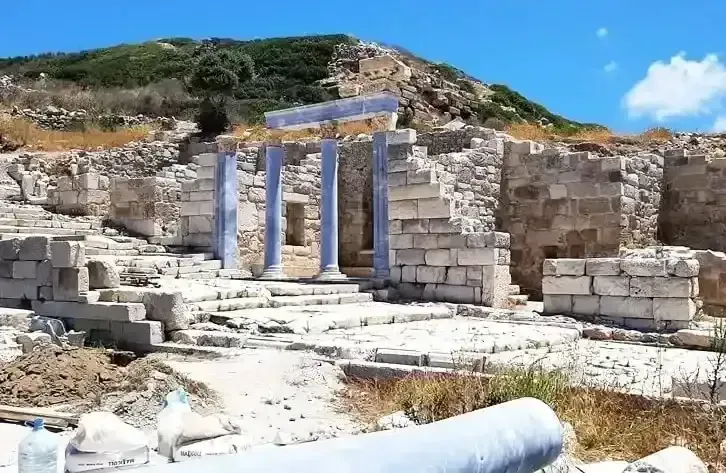
While its historical significance is undeniable, Knidos is also celebrated for its stunning natural beauty. Surrounded by crystal-clear waters, secluded bays, and lush green landscapes, the site offers an unparalleled scenic experience. Visitors can enjoy swimming, diving, or simply admiring the breathtaking views of the Aegean Sea, creating a perfect blend of history and nature.
Visitor’s Guide to Knidos
The best time to visit Knidos is spring or autumn, when the weather is pleasant, and the site is less crowded. Apart from exploring the ruins, visitors can indulge in beach activities, hiking, and boat tours. Regular boat trips operate from Bodrum and Marmaris, making it easy to reach this fascinating site.
Conservation Efforts
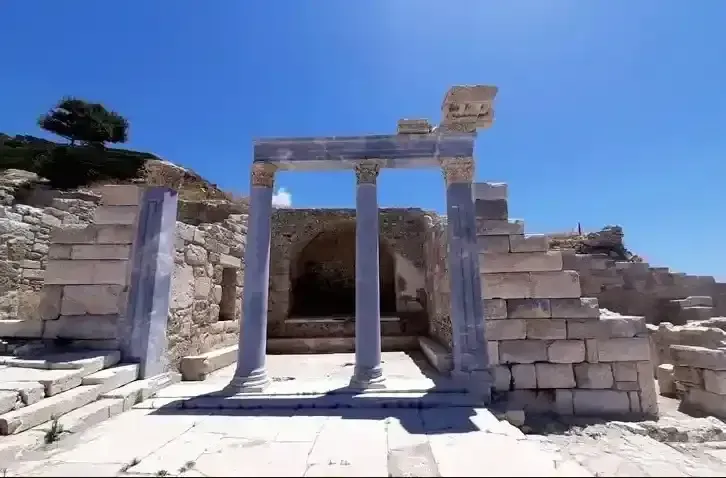
Recent years have seen increased efforts to preserve and restore Knidos. Restoration projects and environmental initiatives aim to safeguard the city's historical legacy while enhancing its tourism potential. These conservation efforts ensure that Knidos remains a vibrant cultural destination for future generations.
A Must-Visit Destination
Knidos is a must-see for history lovers, adventure seekers, and nature enthusiasts alike. With its timeless ruins, artistic heritage, and breathtaking landscapes, it continues to be a top attraction for both local and international tourists. If you’re planning a journey through history, make sure Knidos is on your travel list!